Yüksek Performanslı PEX ve PPR Borular Nasıl Üretilir: Üreticiler İçin Temel Hususlar
24 Ekim
24 Ekim 2025

A practical guide for plumbing pipe manufacturers and investors to boost production efficiency while ensuring dimensional accuracy, material reliability, and process consistency.
Plumbing systems are the backbone of modern infrastructure, and high-quality pipes are essential for safe, leak-free installations. Efficient production not only reduces costs but also ensures consistency, long-term performance, and minimal rework.
For manufacturers aiming to supply both residential and industrial projects, efficiency goes beyond fast extrusion. It requires integrated process control, dimensional precision, and optimized material usage at every stage of production.
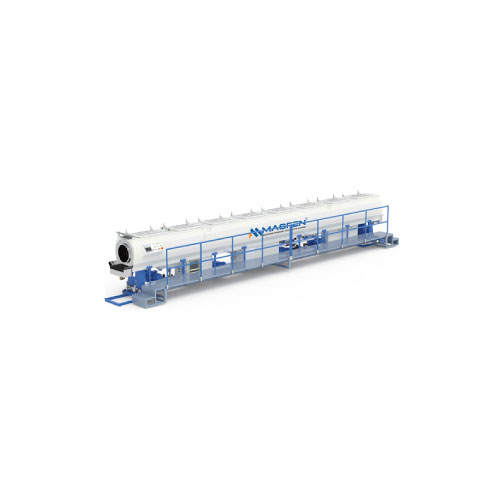
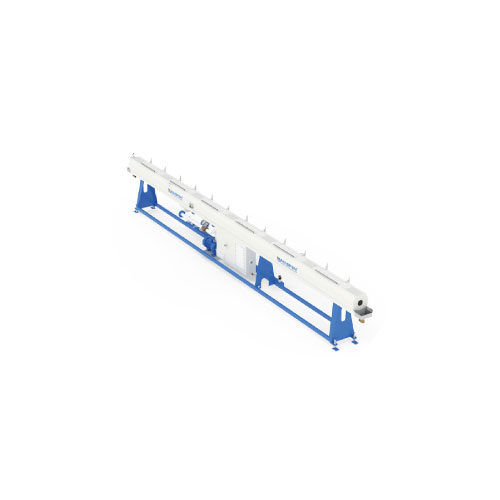
Efficiency gains start by analyzing the entire production line to locate slow points. Common bottlenecks in plumbing pipe manufacturing include:
By streamlining these areas and synchronizing the line, manufacturers can significantly increase output without sacrificing quality.
Manual adjustments create variability and increase the risk of defective pipes. Automation ensures repeatable quality while freeing operators to focus on high-value tasks.
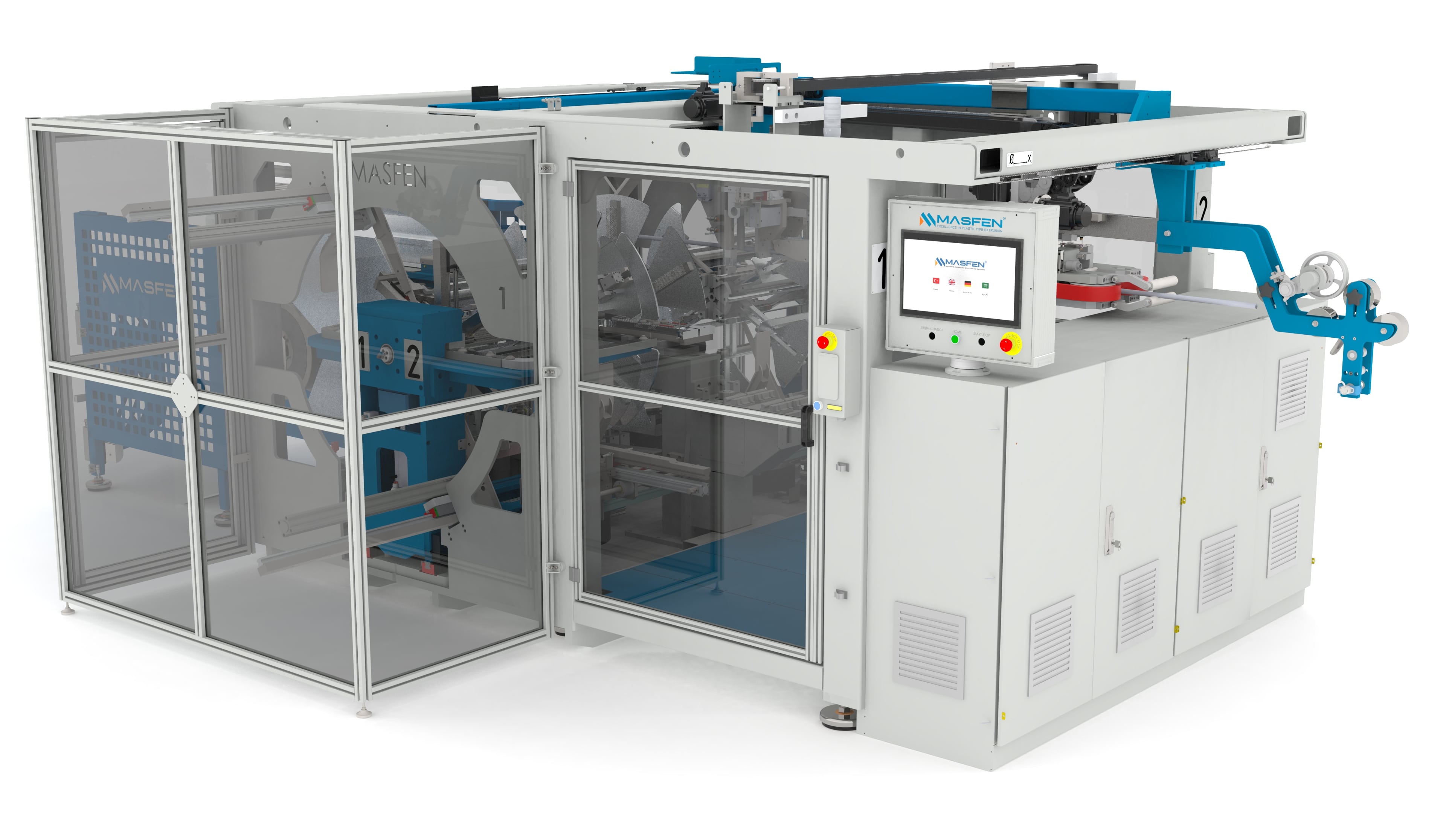
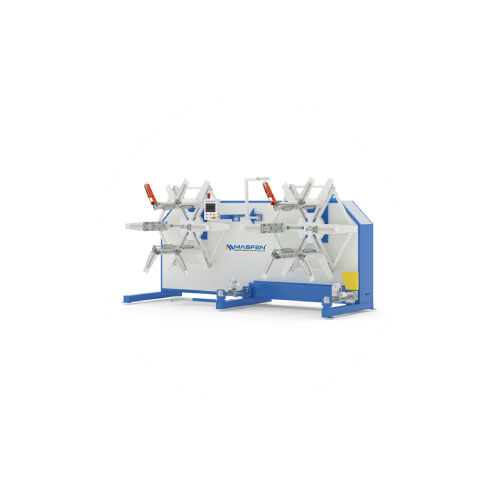
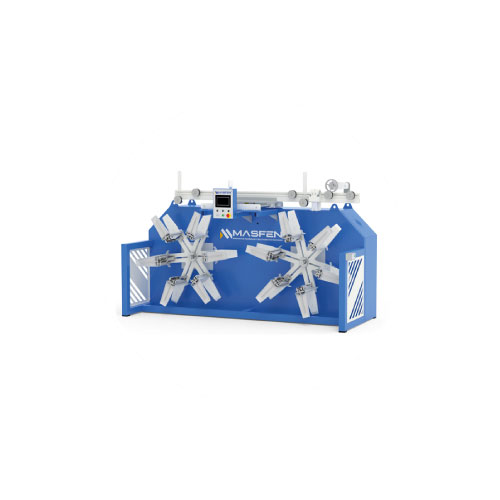
Masfen’s approach emphasizes intelligent automation to maintain production efficiency at scale.
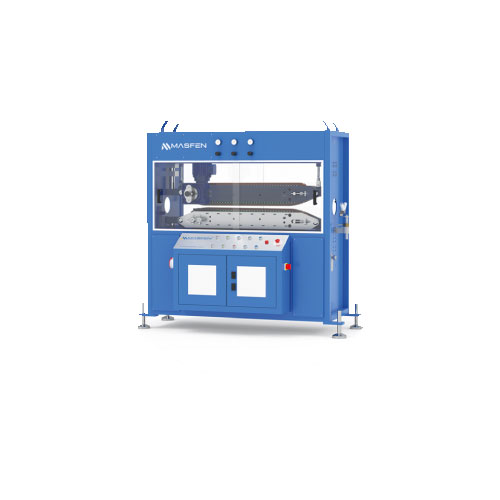
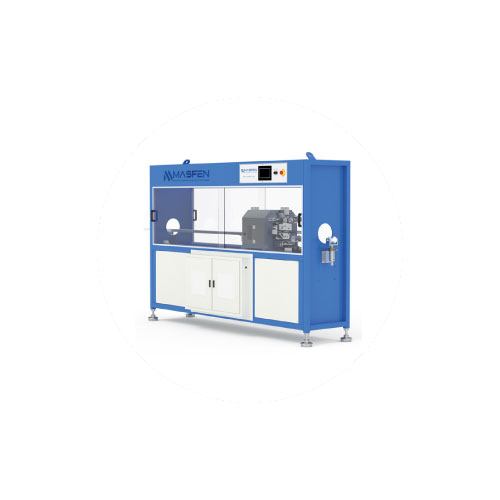
Precise pipe dimensions are critical for plumbing standards compliance. Even small deviations lead to rejects, increased material costs, and project delays.
Integrating these controls directly into the production line minimizes scrap and improves overall line efficiency.
Raw material management directly affects production efficiency. Poor handling or inconsistent feeding can slow extrusion and increase downtime.
Optimized material flow ensures steady production and reduces interruptions caused by raw material issues.
Unexpected downtime is one of the largest efficiency killers in pipe production. Scheduled preventive maintenance keeps lines running smoothly and prevents costly breakdowns.
By proactively maintaining equipment, manufacturers sustain high output rates while ensuring product quality.
Boosting production efficiency in plumbing pipe manufacturing requires a holistic approach: streamlined processes, automation, dimensional precision, optimized material flow, and preventive maintenance. By integrating these practices, manufacturers can reduce costs, improve quality, and deliver consistent performance for every project.
Looking to enhance your production line?
Contact our experts to explore how Masfen’s solutions can help your plumbing pipe manufacturing achieve higher efficiency and reliability.
Reach Our Experts