

How High-Quality Pipe Production Enhances Long-Term Infrastructure Reliability
12 Aralık
12 Aralık 2025
Devamı

A comprehensive engineering guide comparing PVC and PE piping materials for construction applications — helping manufacturers and investors choose the right production technology.
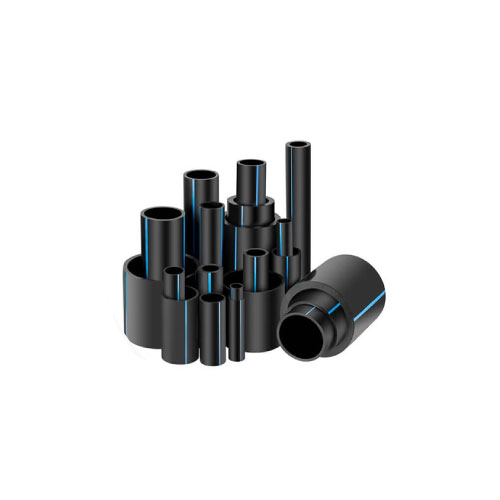
Pipes used in construction infrastructure face demanding operational conditions — underground pressure, temperature fluctuations, soil movement, chemical exposure and long-term mechanical stress. Selecting the right material is crucial for ensuring system reliability, installation efficiency and long-term project performance. Among the most widely used materials, PVC (Polyvinyl Chloride) and PE (Polyethylene) dominate the construction piping landscape.
For manufacturers, the decision between investing in a PVC or PE extrusion line impacts not only production capabilities but also which construction segments can be served. This guide examines the engineering, economic and operational differences to help manufacturers make informed investment decisions.
PVC and PE differ significantly in terms of chemical composition, mechanical behavior and durability. These differences directly influence their suitability for specific construction uses.
In summary, PVC offers dimensional stability and cost advantages for static underground networks, while PE provides superior resilience in dynamic, pressurized or high-risk environments.
Construction projects vary widely in pressure requirements, soil conditions and long-term reliability needs. Here’s how each material aligns with key applications:
Choosing the correct material and production line helps manufacturers align with profitable construction segments while meeting engineering requirements.
Although both materials rely on extrusion, their production conditions and equipment needs differ significantly.
For manufacturers deciding where to invest, PE lines offer easier operation and broader application flexibility, while PVC lines are ideal for supplying drainage and conduit markets.
Piping failures on construction sites are expensive and damaging to contractor reputation. Understanding common field issues helps manufacturers produce pipes that avoid costly problems.
The right extrusion technology ensures these problems do not start at the factory. Dimensional stability, melt consistency, and real-time quality control directly prevent failures in the field.
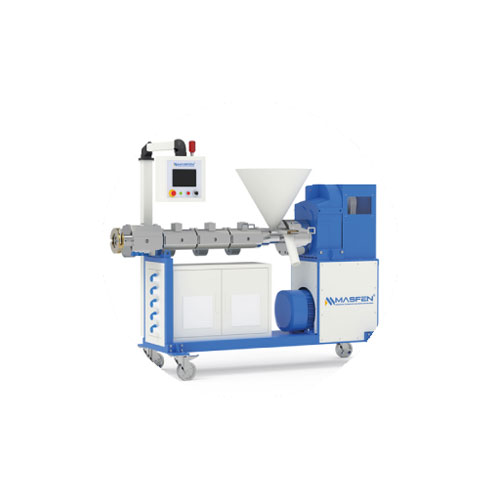
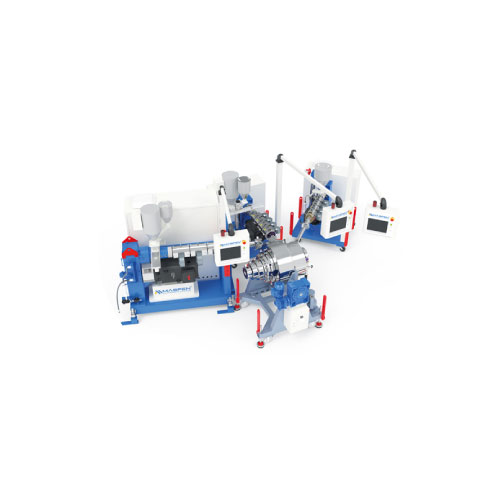
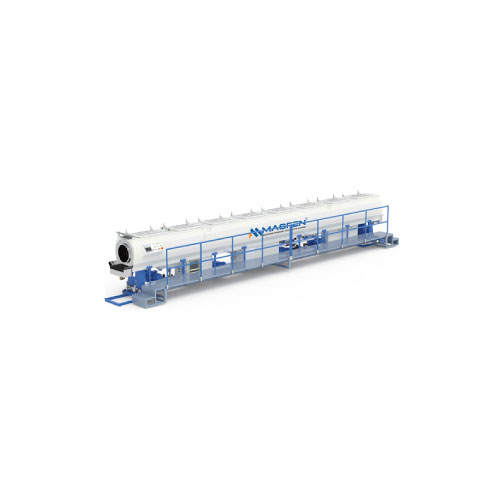
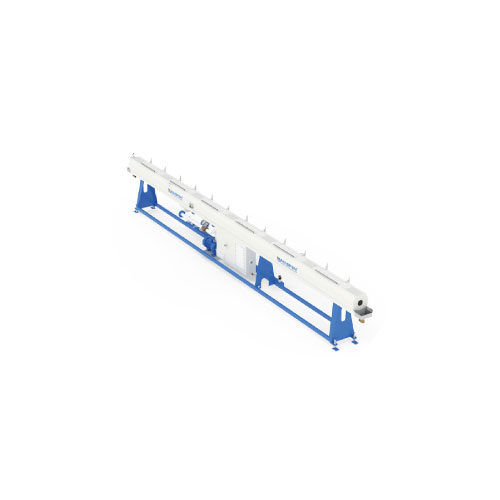
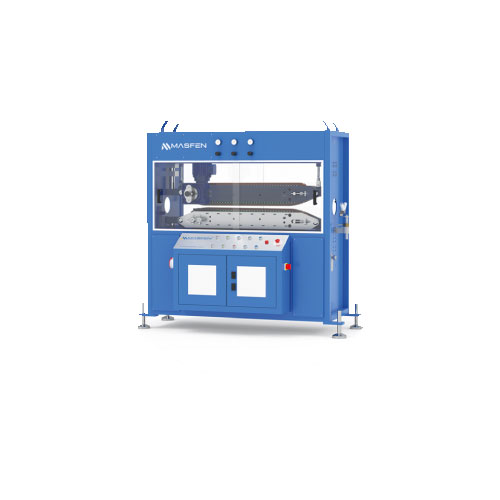
Masfen designs extrusion lines that directly address manufacturing challenges unique to PVC and PE production. Our engineering focus ensures that manufacturers produce pipes capable of withstanding demanding construction environments.
Masfen key advantages:
These systems enable manufacturers to produce pipes with consistent quality, meet international standards and prevent field failures that construction companies cannot afford.
PVC and PE each play crucial yet distinct roles in modern construction infrastructure. Manufacturers entering or expanding in the construction piping market need to carefully consider which material aligns with their target applications, production capabilities and investment goals.
Masfen supports producers with reliable, engineering-driven extrusion lines designed to deliver pipes that perform flawlessly in demanding construction environments — ensuring long-term reliability and customer confidence.
Have a project in mind?
Reach out to our experts to explore whether PE or PVC extrusion technology is the right investment for your construction-focused production strategy.
Reach Our Experts